Training & tools
Better ways to do your work.
We teach engineers, designers and other knowledge workers how to use new tools on the work in front of them. When the right tool does not exist, we can build it together.
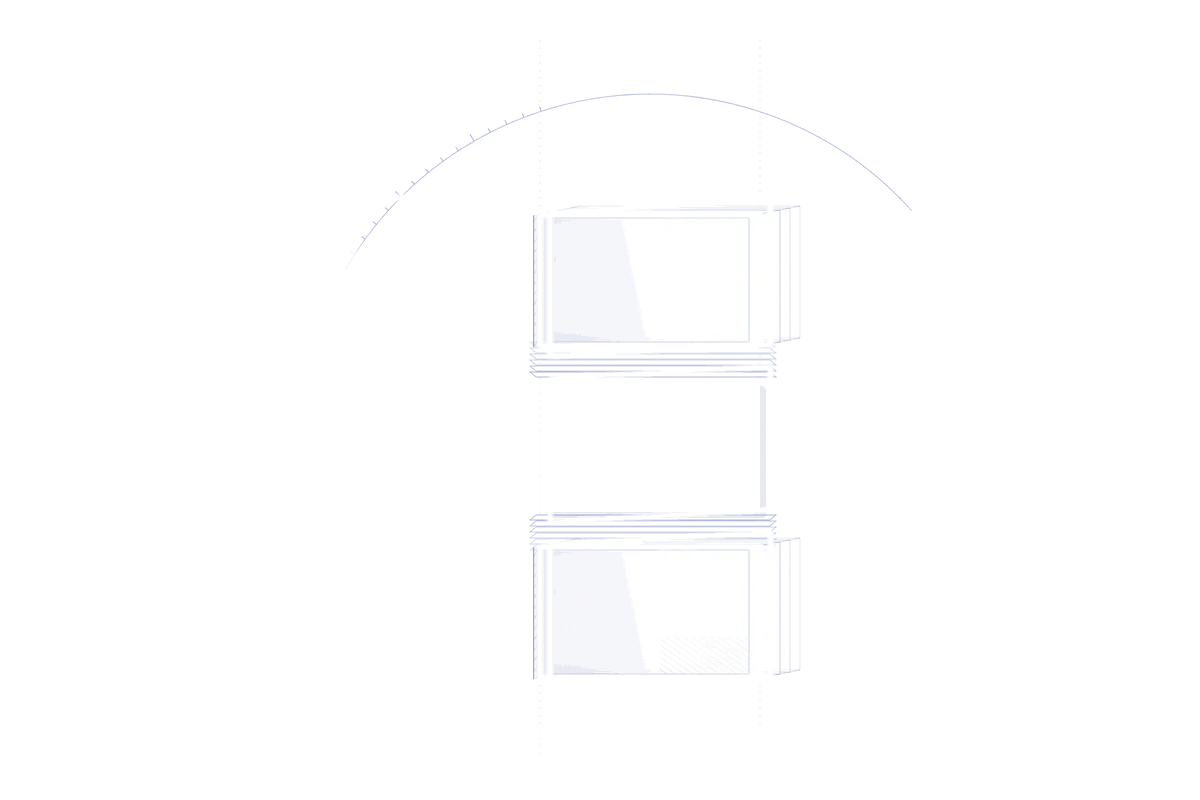
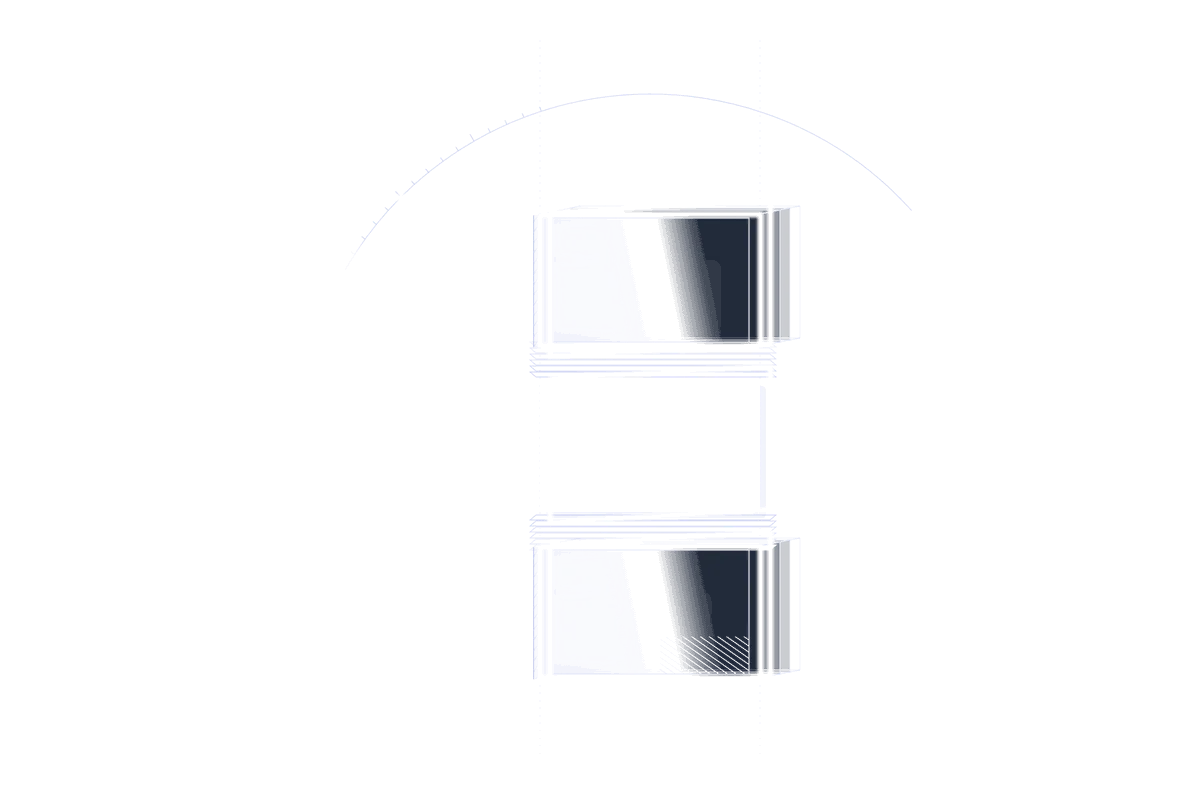
Hover or tap a step to see what happens there.
Work arrives through six kinds of tool and knots into friction. It is sorted into training, practice and better tools, passes a human review that can send it back to training, and continues together toward clearer decisions, shared knowledge, stronger teams and lasting impact.
Use Tab to reach the diagram and the arrow keys to move between steps. Press Enter or Space to pin a step's route; Escape clears it.
Where work starts
- Scattered work
- More friction
- Harder progress
- Emails
- Docs
- Meetings
- Spreadsheets
- Chat
- Other tools
Friction
- Context switching
- Duplicate work
- Lost knowledge
- Manual processes
- Friction slows progress
Train
- Learn by doing
- Sharper judgment
- Practical skills
Practice
- Apply in context
- Build habits
- Make it real
Better tools
- Right tools
- Clearer systems
- Less friction
Human review
- People check the work and can send it back to training.
What we work toward
- Clearer work
- Better judgment
- Greater impact
- Clearer decisions
- Shared knowledge
- Stronger teams
- Lasting impact
01
Start with a task that matters.
Bring the codebase, design workflow, research process or recurring piece of analysis that you want to improve. We build the teaching around your work, experience and constraints.
A session can combine demonstration, guided practice and making a small tool. A longer engagement can include workflow changes, development environments, custom software and support while the team puts the new approach into practice.
02
Keep professional judgment in the room.
Good training gives people ways to evaluate the work as well as produce it. We make room for uncertainty, practical concerns and the parts of a profession that need to remain under a person’s control.
For teams using AI, the work includes deciding what to delegate, how to check a result and where the tools are a poor fit. We agree the boundaries around confidential information and professional responsibilities before using work materials.
03
For engineering teams
We combine education with hands-on changes to repositories, development tools and delivery practices. The goal is a team that can use the approach in its own work, with an agreed way to judge whether it is helping.
04
For creative and knowledge work
The same approach can support visual exploration, document workflows and other specialized tasks. A useful technique may involve a sequence of tools or software built for your profession, rather than a single prompt.
Speciate is one example of our own tool-building around visual exploration. We can use work like this to make a teaching technique concrete.
05
A real team, a changing practice.
At Rankpay, we worked with the team on AI-assisted development. The work combined practical teaching with helping people become comfortable changing how they approached development.
What would you like your team to do better?
We can shape a session or a longer engagement around that.