Independent engineering, consulting & training
Bring us the hard part.
Whether you have a product to build, need software that works better for your business, or want your team to get more out of the tools they use, we can help. We’ll work with you to understand what you need, choose an approach, and put it into practice.
A free conversation with Mike and Juan. You don’t need a specification to get started.
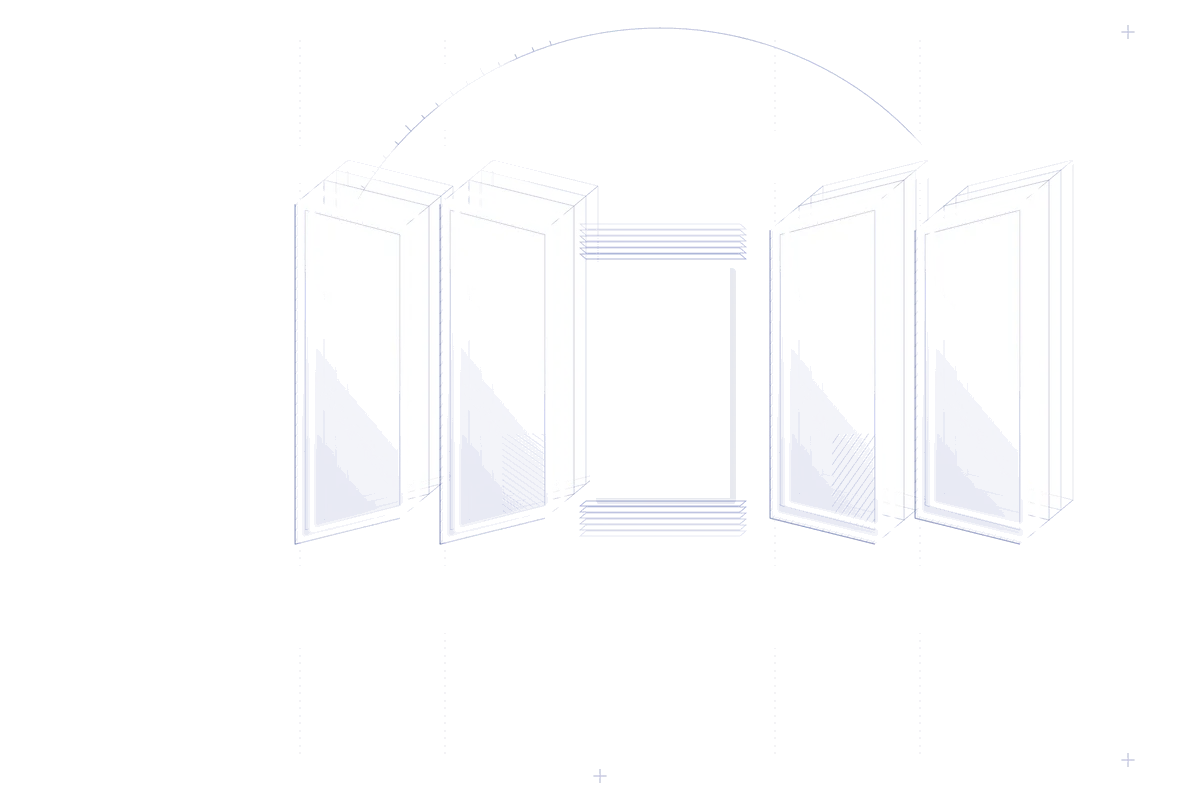
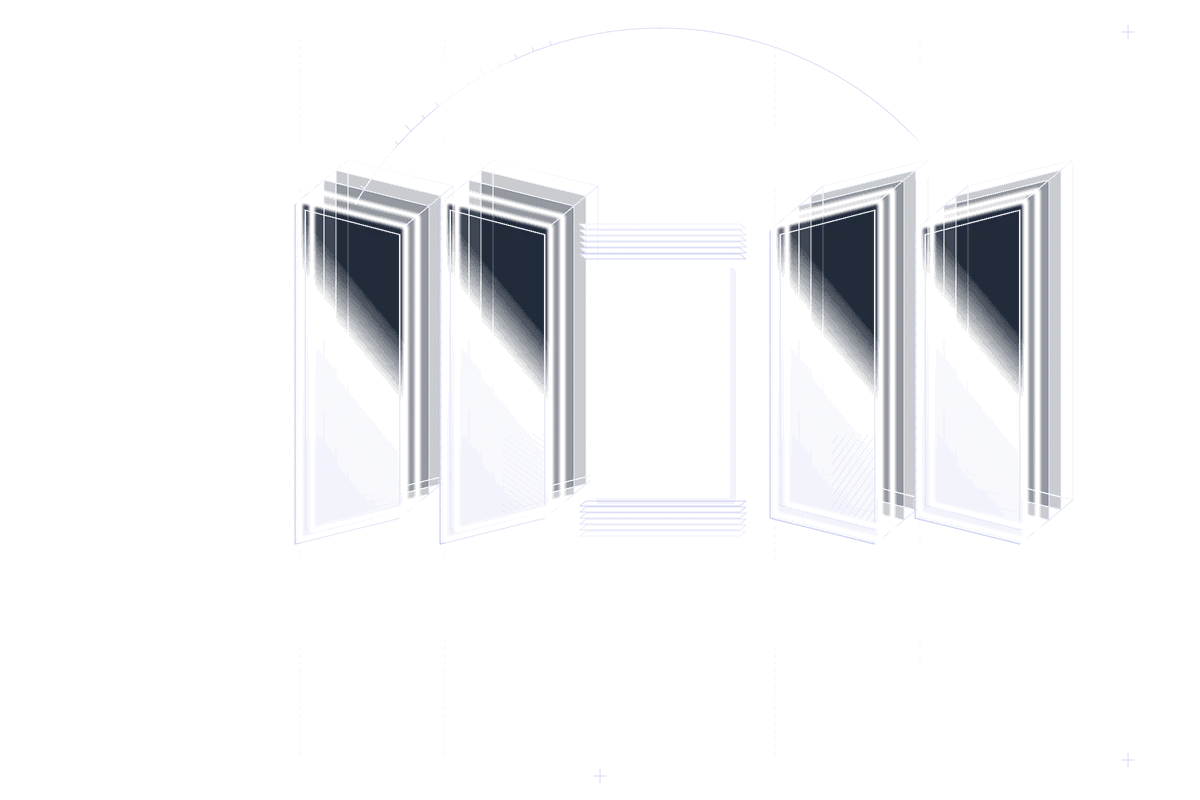


Hover or tap a step to see what happens there.
Six kinds of input pass through four stages around a core of ideas and systems put into practice, producing four kinds of outcome. Feedback from real usage and real outcomes returns to the start.
Use Tab to reach the diagram and the arrow keys to move between steps. Press Enter or Space to pin a step's route; Escape clears it.
Questions and context
- Goals and ideas
- People and teams
- Product and domain
- Constraints and trade-offs
- Existing systems
- Data and evidence
Investigate
- Listen
- Research
- Analyze
- Synthesize
Structure
- Find patterns
- Model systems
- Surface leverage
Ideas, systems, into practice
Build together
- Design
- Develop
- Deploy
- Transfer
Measure and improve
- Learn
- Validate
- Extend
Clearer outcomes
- Useful products
- Capable teams
- Clearer decisions
- Lasting knowledge
Feedback loops
- Real usage
- Real outcomes
01Room for the whole problem
Whatever shape it takes.
We can investigate a problem, build the software and teach your team how to use it in the same engagement. You can also hire us for one piece of the work.
All servicesDevelopment
Build something useful.
A new product, a better internal tool, or an integration that makes the systems you already use work together.
ExploreConsulting
Get to the bottom of it.
A stalled project, an awkward workflow or a decision you want someone to think through with you.
ExploreTraining
Change how the work gets done.
Hands-on training and better tools for engineers, designers and other people doing demanding knowledge work.
ExploreEngineering teams
Make your team’s tools pay off.
Practical help with developer experience, engineering practices and AI-assisted development.
Explore02Selected work
The details make the difference.
Adaptig · Platform development
One platform. Still theirs to change.
Bringing business software together while keeping the founders’ ability to make changes with AI.
Inside the projectRankpay · Engineering education
New tools. A different way to work.
Practical teaching and support through the human side of changing development practices.
Inside the engagementFor founders
An idea for a company? Let’s get it off the ground.
We can help shape the product, build the first version and work with you through hiring, product decisions and the early life of the business.
For ongoing work, a retainer can give you a technical and product partner while the company takes shape. We can also discuss a combination of cash and equity for selected engagements.
03Mike & Juan
The people doing the work.
Juan usually leads requirements, customer feedback and client communication. Mike usually leads engineering and technical investigation. Product decisions are a shared conversation.
More about us

Mike
Engineering & technical investigation
Mike leads technical investigation and development. He built NoWait’s consumer iOS app and worked on engineering practices and developer tools for Uber’s self-driving car program. His work with startups spans product development, infrastructure, hiring and the practical decisions involved in getting a company off the ground.


Juan
Discovery & client partnerships
Juan brings experience across engineering, payments and business development, including more than five years at Visa working on technology risk, fraud-detection data and automation. At logic.fm, he leads discovery, customer conversations and the day-to-day relationship, working with Mike on product decisions.
What should you expect to spend?
$4,000per week, approximately, for smaller engagements
Engagements can start at around $4,000 per week. That gives you a ballpark for smaller projects; larger or more involved work can cost substantially more. We’ll discuss what you need and agree on the scope and price before starting.
A first conversation is free.
How we workWe help you decide where it is useful, where it creates problems and where to leave it out. Software with no generative AI in its operation is a valid choice. Restrictions on using AI during development are a separate requirement and affect the estimate. We can discuss those restrictions before agreeing on the work.
Our approach to AITell us what you’re working on.
A conversation is a good place to start.